A short introduction
South coast, Galle, Colombo and more.
Authentic Ayurveda stays, personally selected and planned around you – with medical guidance and the option to extend your journey through Sri Lanka.
Compare flight options to Colombo (CMB). Your departure airport and travel dates remain flexible.
The destination is already set to Colombo (CMB). We deliberately organise hotels, transfers and tours separately with our local partners.
Privacy: The external flight search only loads when you actively open it. This establishes a connection to Travelpayouts/Kiwi.com.
By loading the flight search, you agree that content from the external flight partner will be loaded.
What is Ayurveda? What does a stay involve? Which treatments are used? And how does Dr. Gayathri guide you personally? This is where we are building our knowledge section with articles and videos.
We explain the fundamentals clearly and transparently – from the initial consultation and nutrition to treatments and the recommended length of stay.
Not an anonymous resort: Ayurawa Village combines traditional treatment spaces, personal care and a calm, intimate atmosphere.
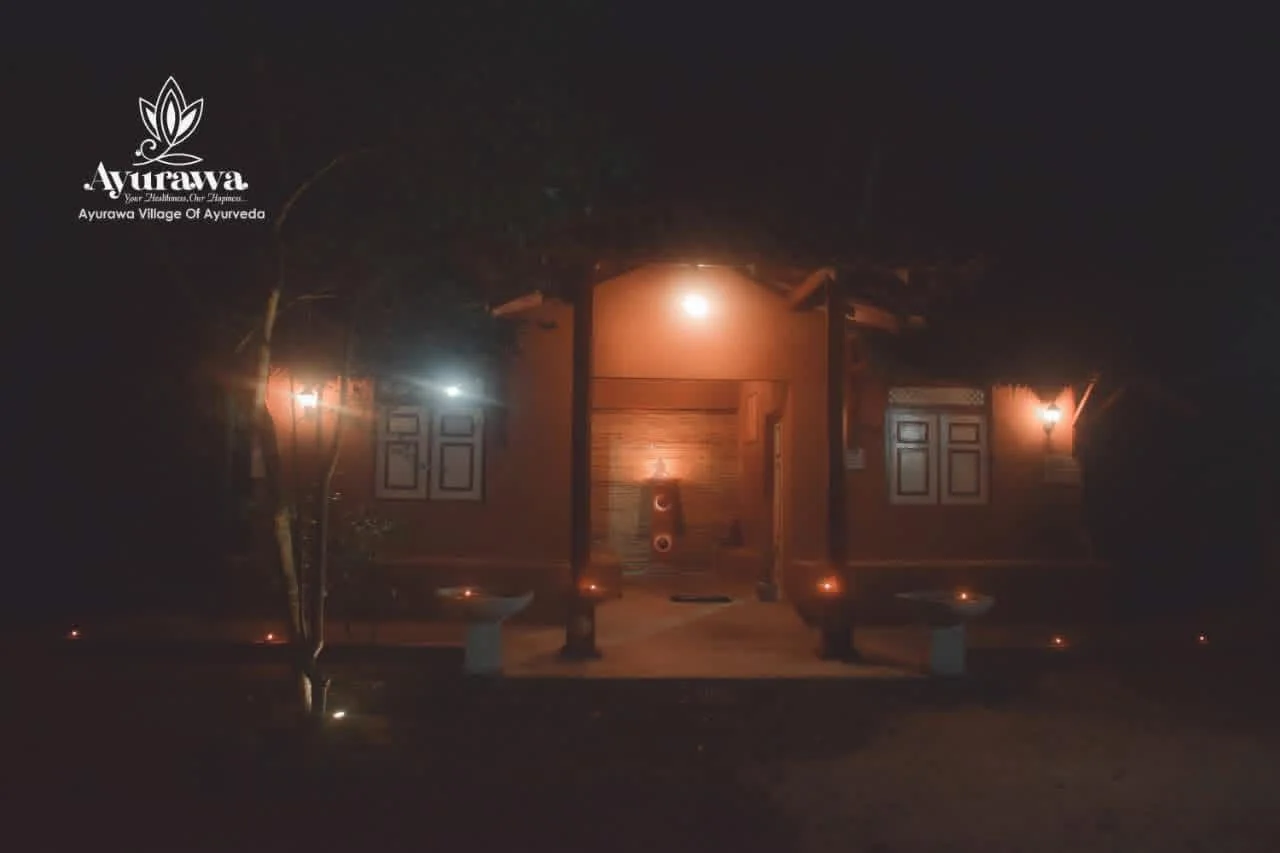
The photographs show the actual treatment rooms and treatments at our first partner. They give you a realistic impression of how personal and traditional the stay is before you travel.
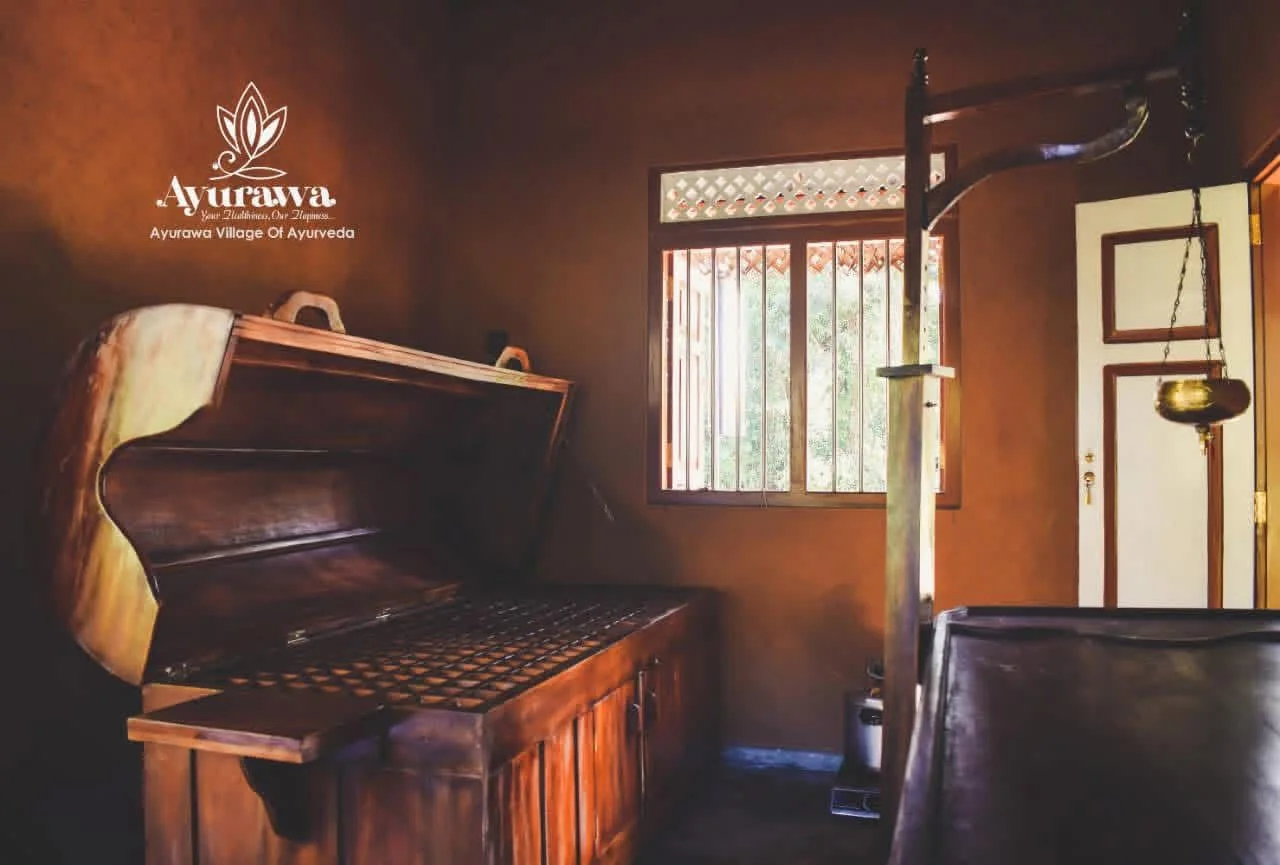
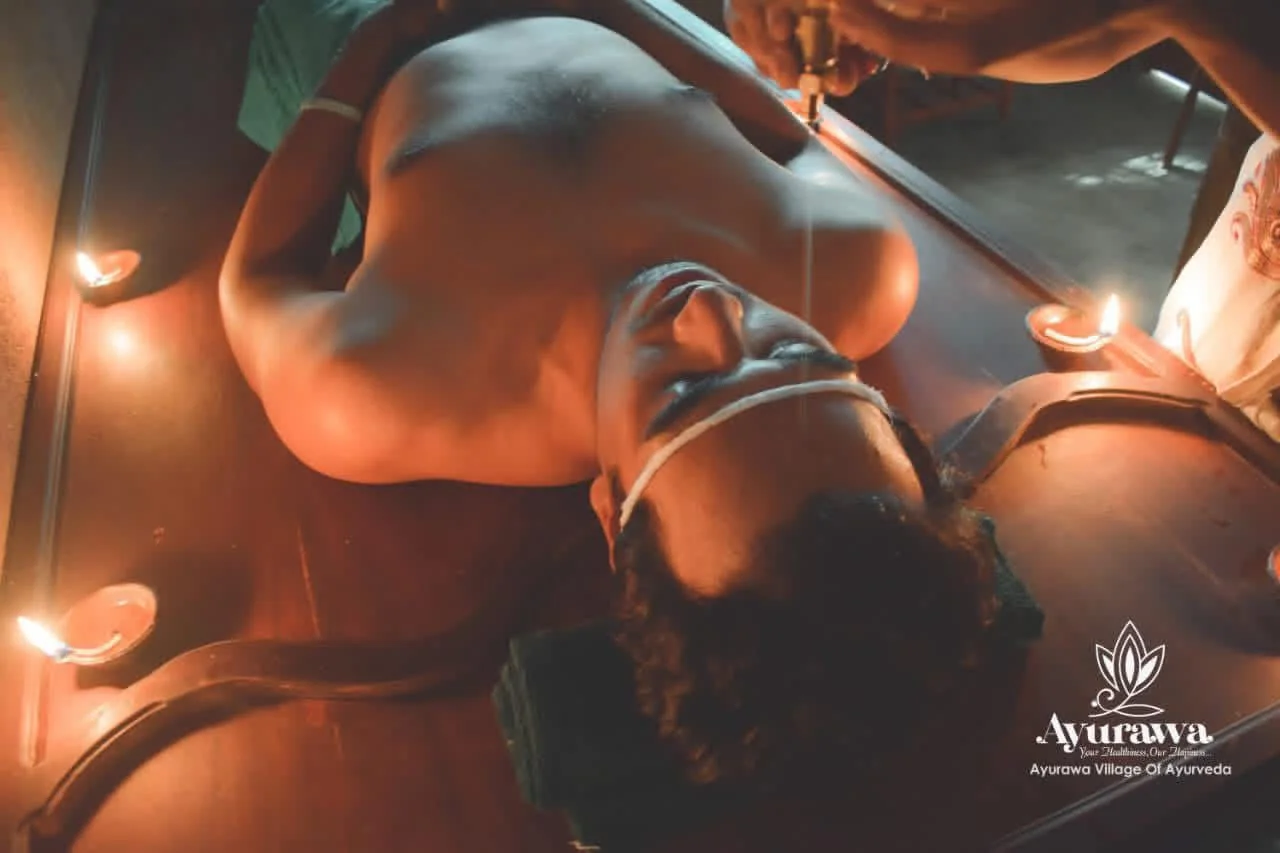
You do not need to know which programme you need in advance. Tell us how much time you have, what you hope to achieve and any health concerns. The specific treatment plan is tailored individually.
From a short extension to a personalised round trip. We can combine your Ayurveda time with culture, nature, the hill country, safari or the beach.
South coast, Galle, Colombo and more.
Tea country, Kandy, Ella and waterfalls.
Culture, safari, hill country and coast.
Individually designed around you.
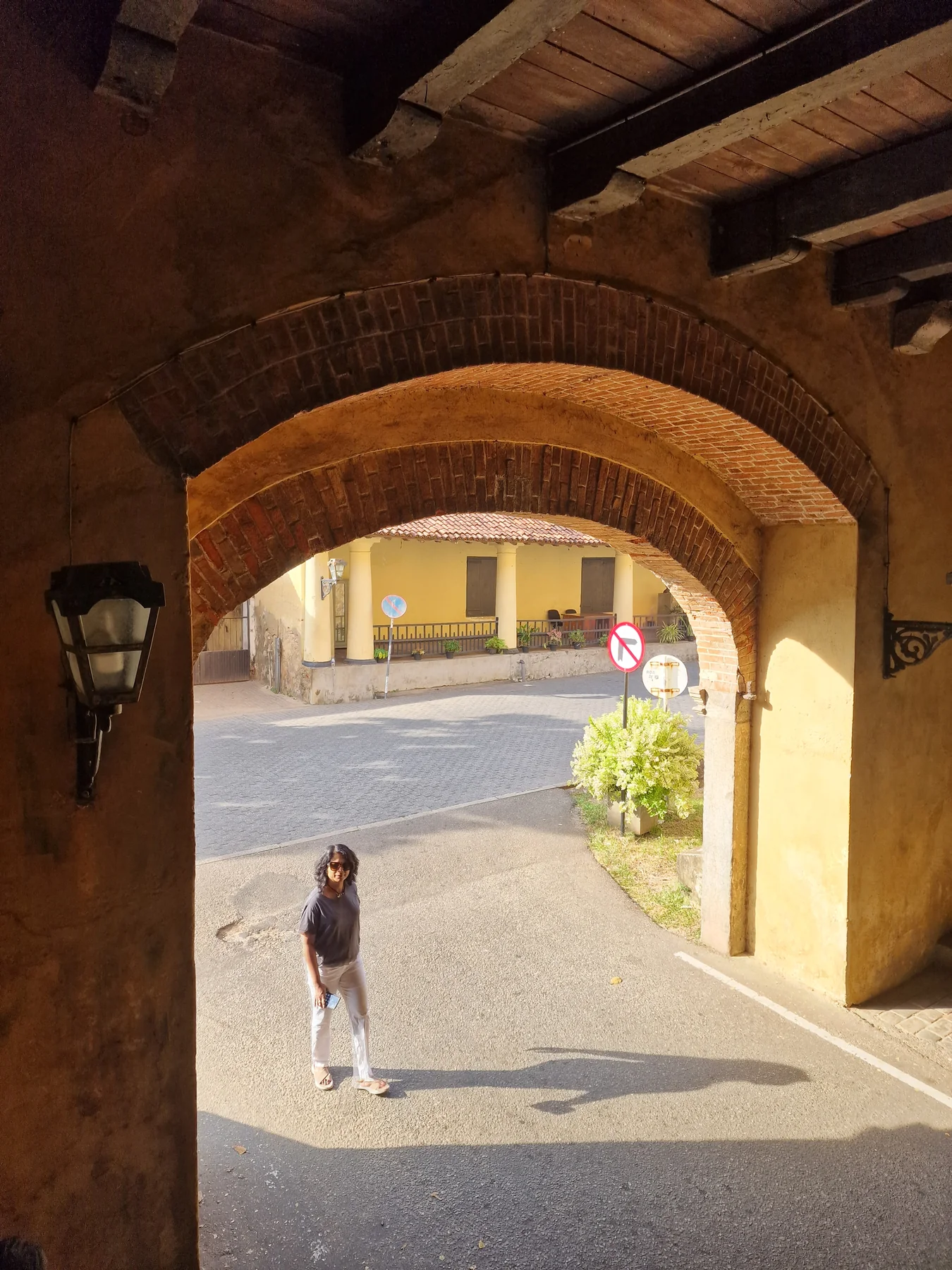
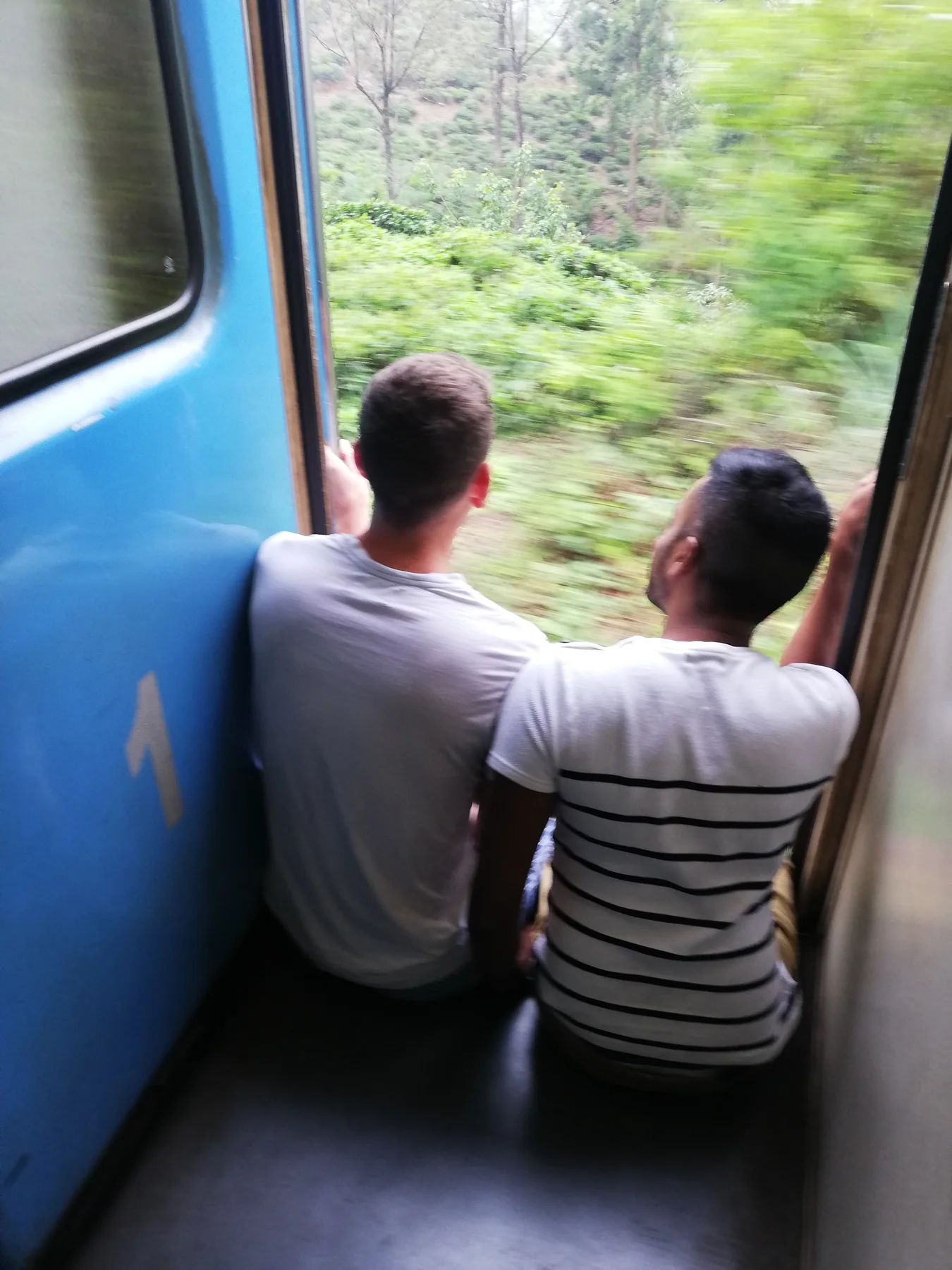
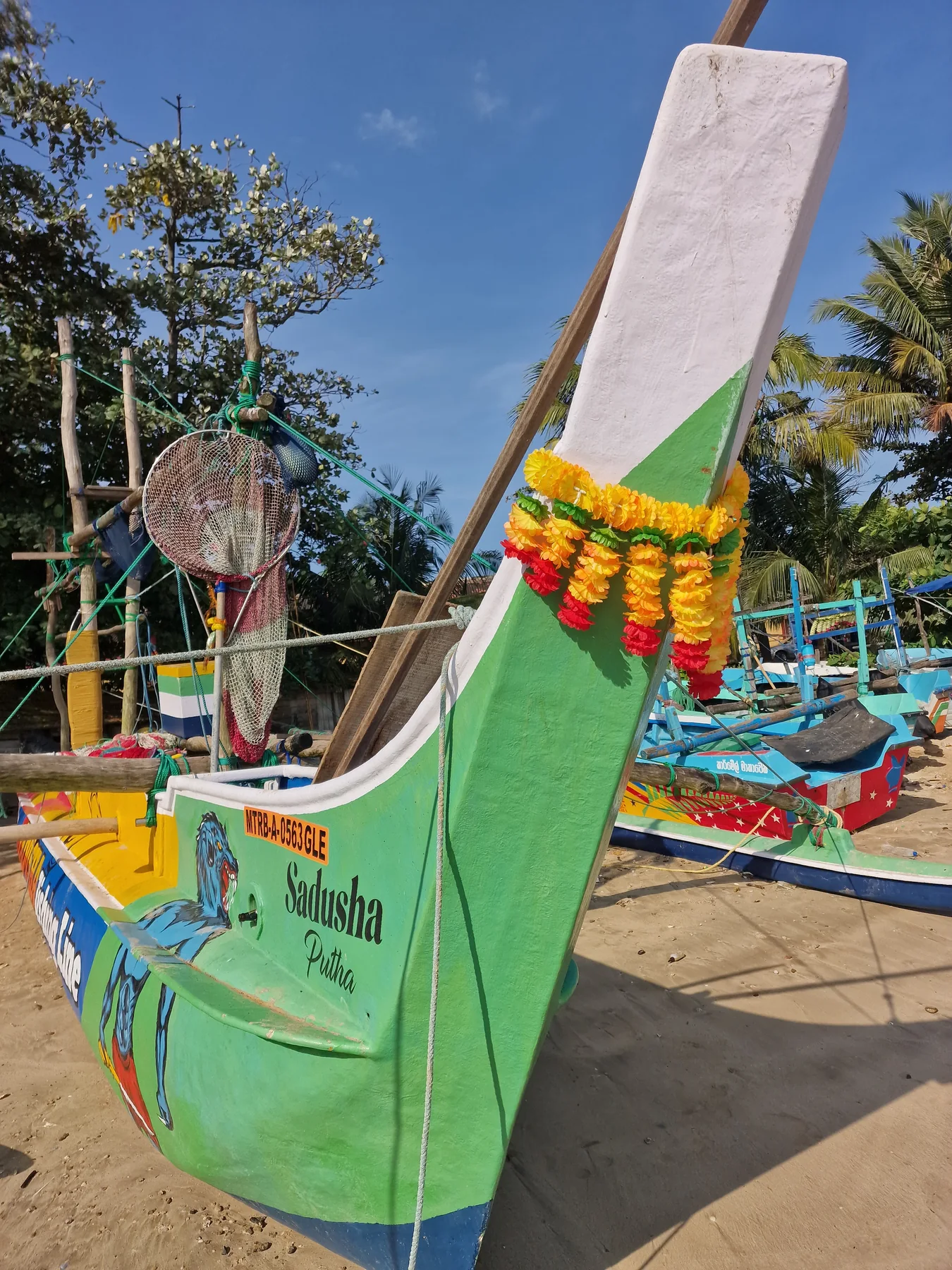
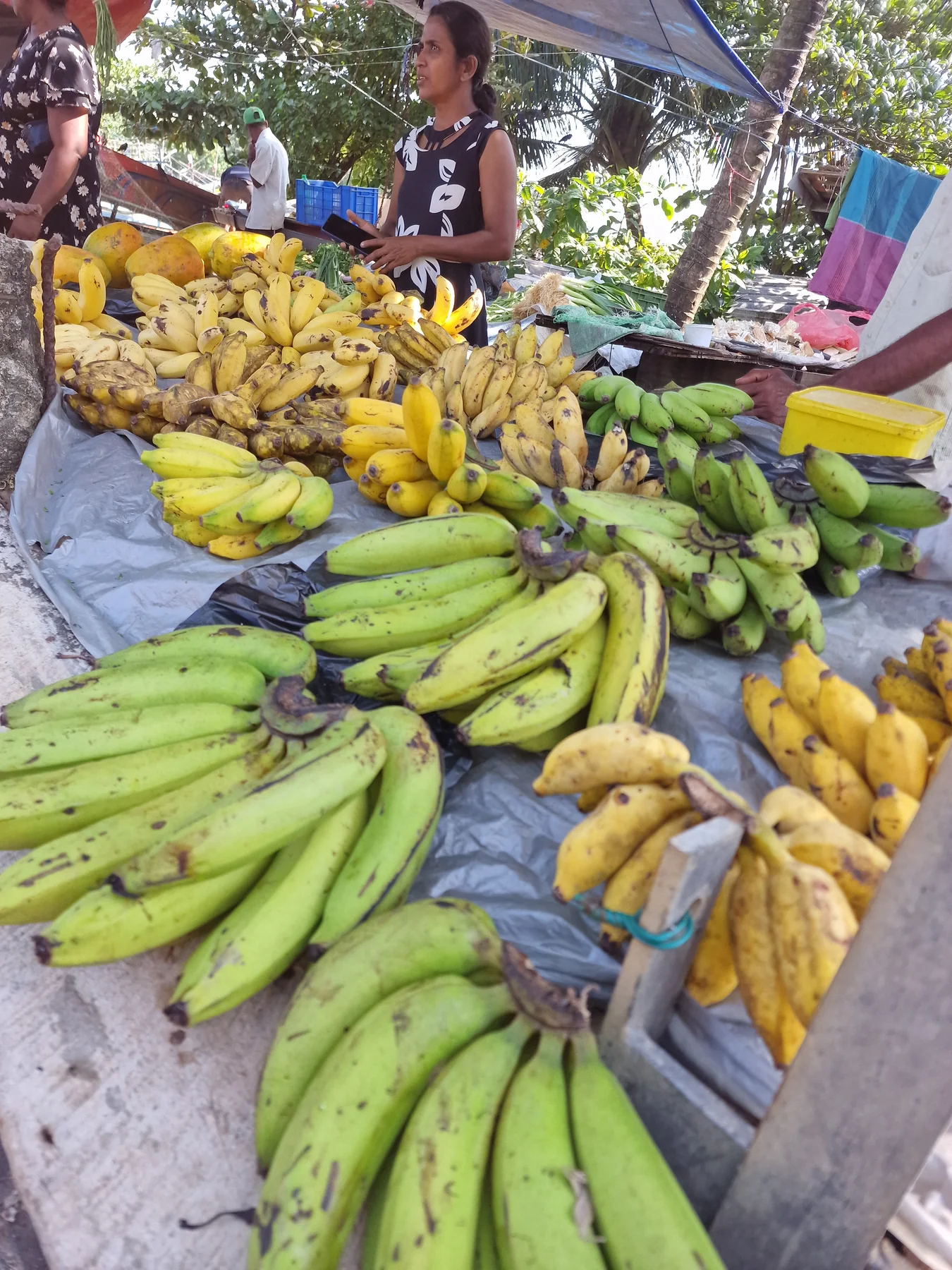
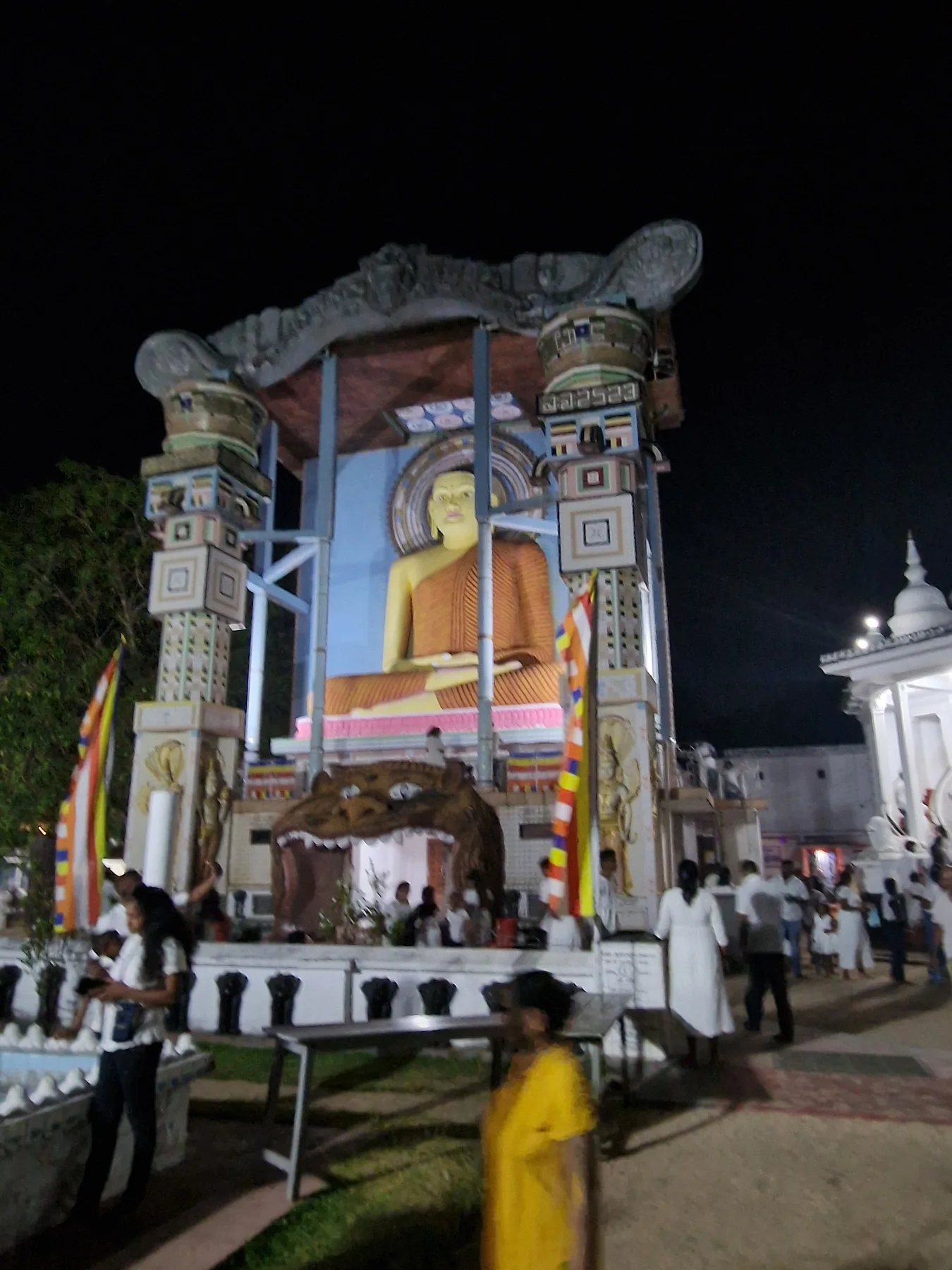
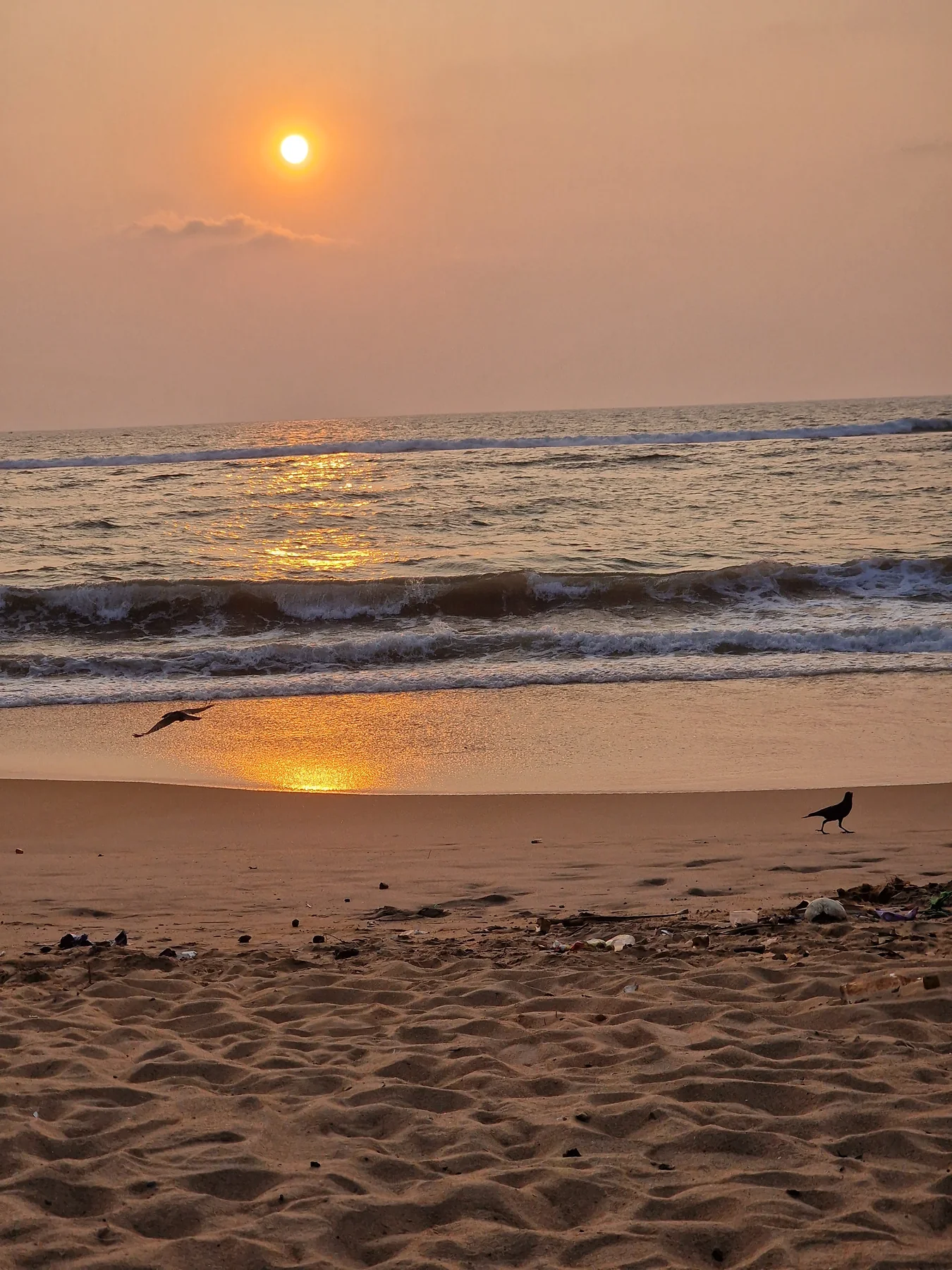
Not a stock-image library: these photographs were taken in Sri Lanka and show places and everyday scenes that can be part of a personalised journey extension.
These starter questions are based on what guests commonly want to know about Ayurveda stays. If something is missing, send us your question – we will answer it personally and can later add it to this FAQ anonymously.
A medically guided Ayurveda stay does not begin with a fixed spa menu. It begins with a personal consultation. From this, an individual plan may combine treatments, food, rest, movement and – where medically appropriate – Ayurvedic medicines. In Sri Lanka, Ayurveda is taught at university level and practised clinically, so an authentic stay is considerably more than massage or wellness.
Background: Faculty of Indigenous Medicine, University of Colombo.
No. It is entirely normal to have many questions on a first stay. The initial consultation is there to discuss your goals, current health, daily life and expectations before a programme is decided.
Not in the way you would choose from a spa menu. You can of course discuss preferences, but the specific combination and sequence of treatments should follow the doctor's assessment. This keeps the stay individual rather than turning it into a fixed package.
There is no single ideal length for everyone. Many structured Ayurveda programmes use stays of around one to two weeks or longer, while a shorter stay may be more of an introduction. When you enquire with us, simply tell us how much time you have. Dr. Gayathri can then assess what is realistically appropriate within that period.
Please bring an up-to-date list of your medicines and supplements and share it during the consultation. Do not stop or change prescribed medication on your own. If you are unsure whether an Ayurveda stay is appropriate alongside an existing condition or treatment, also discuss it with your usual healthcare professional.
Ayurveda is not a modern wellness trend. It is an independent traditional medical system with roots going back several thousand years. In Sri Lanka it is institutionally established: the Faculty of Indigenous Medicine at the University of Colombo trains Ayurveda doctors through the BAMS degree. The curriculum includes Ayurveda as well as anatomy, physiology, clinical and pre-clinical subjects, research methodology, medical statistics and basic concepts of Western medicine. Clinical training takes place partly at the National Ayurveda Teaching Hospital.
At the same time, being ancient does not mean that every individual treatment is automatically proven effective by today's scientific standards. This is precisely why Ayurveda continues to be researched. The University combines traditional knowledge with modern scientific research, clinical education and evidence-oriented development.
Sources: University of Colombo – BAMS · Department of Ayurveda Medicine and Indigenous Medicine · NCCIH.
The Bachelor of Ayurveda Medicine and Surgery (BAMS) at the University of Colombo is listed as a six-year full-time training pathway: five years of academic study followed by one compulsory internship year. The programme includes foundational sciences, clinical and pre-clinical subjects and practical training. The BAMS degree is awarded by the University of Colombo after successful completion of the internship.
Source: Faculty of Indigenous Medicine – Undergraduate Studies.
Yes. Sri Lanka's Ministry of Health explicitly describes the national health system as comprising Western allopathic medicine and traditional medical systems. Western medicine serves the majority of the population, while Ayurveda and other indigenous systems have their own public institutions, medical services, hospitals and training structures. Current health policy also aims for closer collaboration and integrated care where appropriate.
Source: Ministry of Health Sri Lanka.
Research and innovation are explicit parts of the work of the Faculty of Indigenous Medicine at the University of Colombo. The Faculty has research and ethics structures, MPhil and PhD programmes, clinical research, and teaching in areas such as research methodology, biostatistics, pharmacology and pharmacovigilance. The Faculty describes its approach as combining traditional knowledge, modern scientific understanding, clinical practice and research.
Sources: Research & Innovation · Research and Higher Degree Committee.
WHO addresses Ayurveda within the broader field of Traditional, Complementary and Integrative Medicine (TCIM). In 2025, Member States adopted the WHO Global Traditional Medicine Strategy 2025–2034. Its four main objectives are to strengthen evidence, improve safety and regulation, support appropriate integration into health systems, and strengthen cross-sector and international collaboration.
Ayurveda is also becoming more visible within international health classifications. WHO has begun an Ayurveda-related Traditional Medicine module for ICD-11 so that diagnoses and healthcare activity can be documented, compared and researched more systematically. An important distinction remains: inclusion in a WHO classification is not a blanket endorsement that every Ayurvedic diagnosis or treatment has proven efficacy. WHO explicitly states that classification does not amount to judging or endorsing scientific validity or treatment effectiveness.
Sources: WHO Global Traditional Medicine Strategy 2025–2034 · WHO – Traditional Medicine & ICD-11.
The phrase “WHO approved” can be misleading. A more accurate description is that WHO recognizes traditional medicine as an important and widely used part of healthcare and develops strategies, quality and safety standards, research frameworks and classifications for it. Ayurveda forms part of this work. WHO does not automatically recommend every traditional treatment and explicitly emphasizes evidence, safety, quality, regulation and qualified practitioners.
Source: WHO – Traditional Medicine Q&A.
Light, comfortable clothing is most practical in Sri Lanka's climate. It is also useful to bring your regular medication, a medication list and, where relevant to your situation, recent medical information. Before travelling, we will later send you a more specific packing list for the Village.
Food is normally part of the overall Ayurveda approach and is often adapted to the individual stay. Tell us about allergies, intolerances or special dietary requirements when you enquire. Before booking, we will confirm with the Village what can be accommodated.
Yes – that is exactly what My Ayurvedic Village is designed for. We can combine your Ayurveda stay with a personalised extension, for example Galle, the hill country, cultural sites, safari or the beach. After a more intensive programme, a gentle transition is usually more comfortable than immediately starting a very full itinerary.
Faculty of Indigenous Medicine – University of Colombo · BAMS Undergraduate Studies · Ministry of Health Sri Lanka · WHO Traditional Medicine · WHO Global Traditional Medicine Strategy 2025–2034 · WHO ICD-11 Traditional Medicine FAQ · NCCIH – Ayurvedic Medicine.
These sources provide general background. Specific treatment at Ayurawa is always determined individually after medical consultation with Dr. Gayathri.
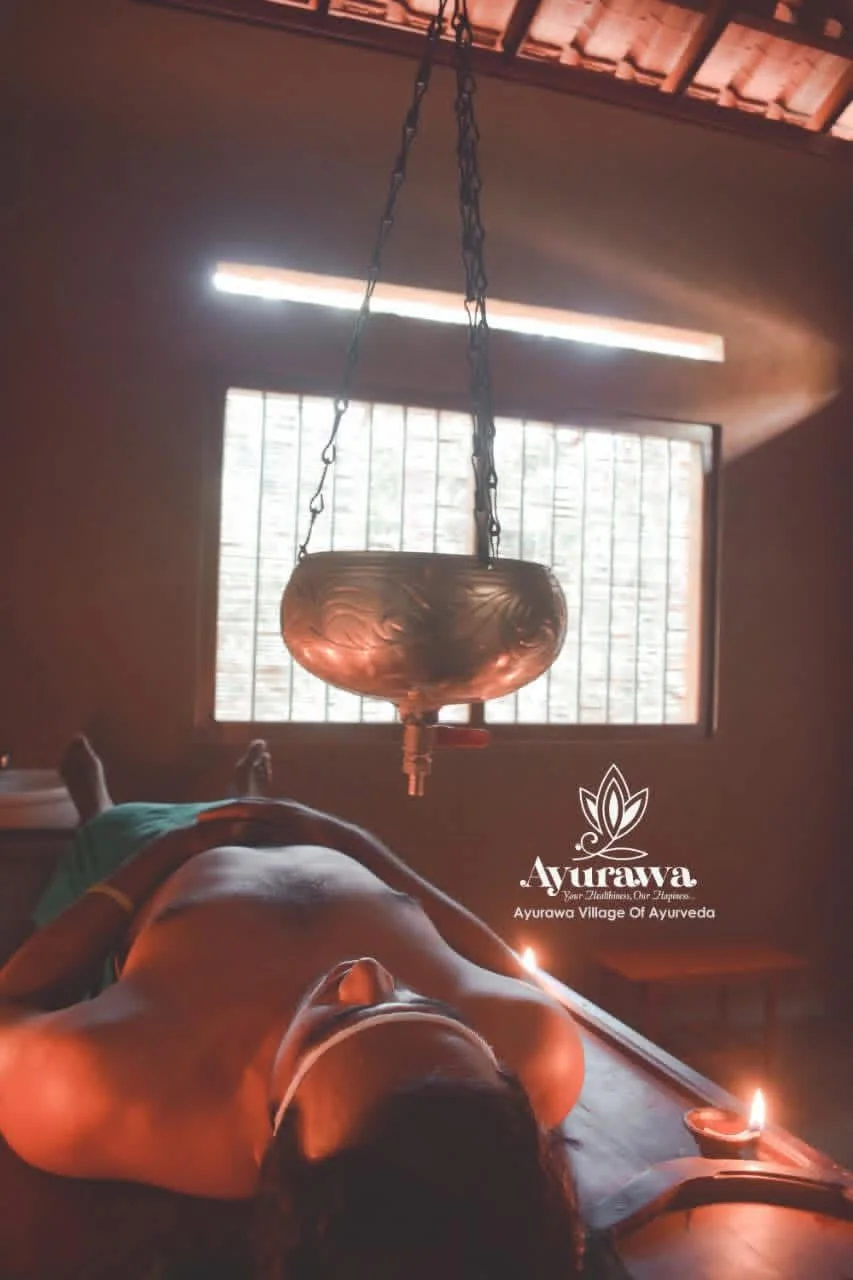
Our first partner is Ayurawa Village of Ayurveda in Sri Lanka. Dr. Gayathri personally guides guests and combines traditional Ayurvedic medicine with an individual approach to treatment. The photograph shows a treatment at Ayurawa Village.
More about Dr. Gayathri